


Location
Laznia Center for Contemporary Arts, Gdansk, Poland
Material
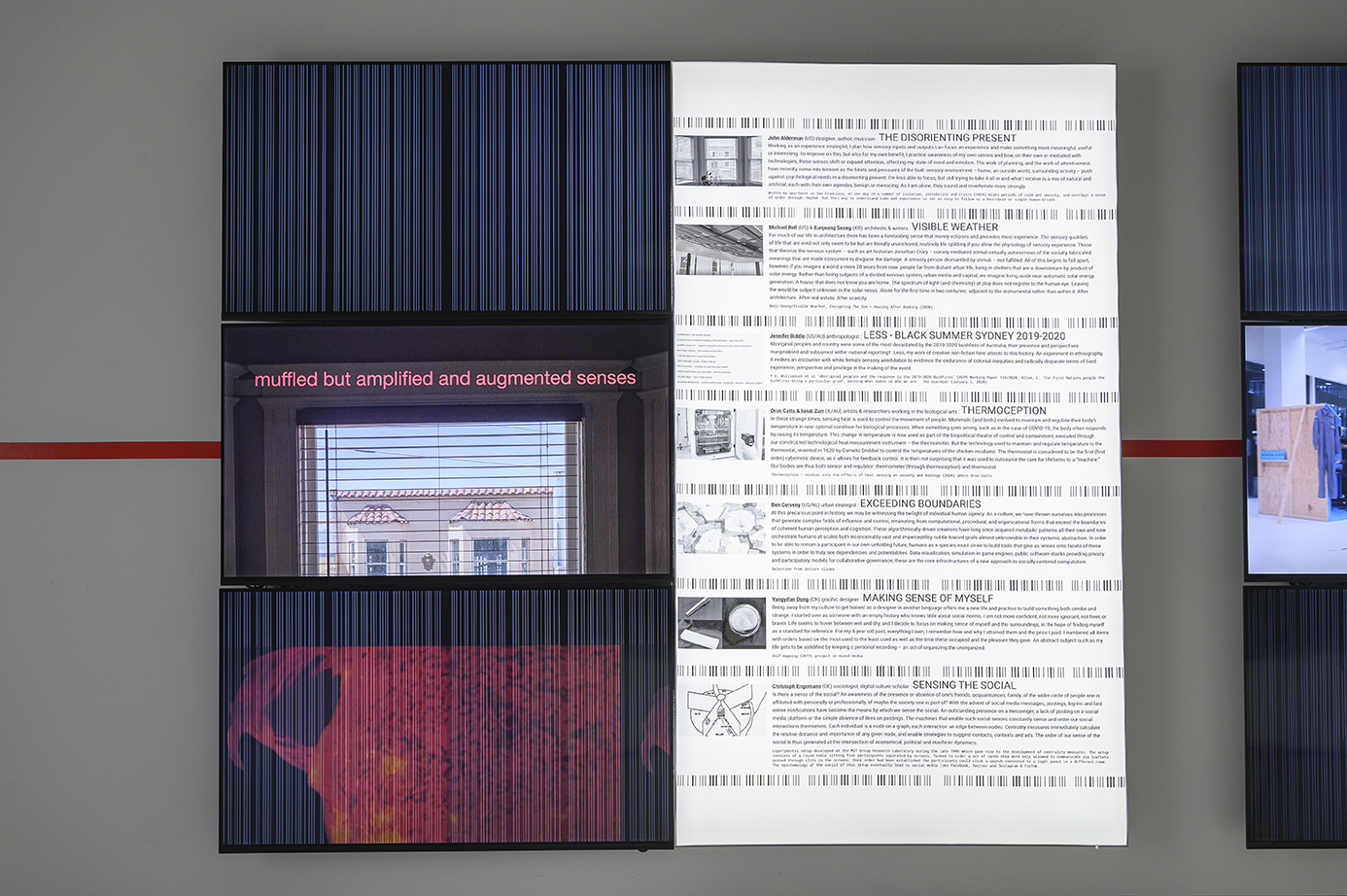
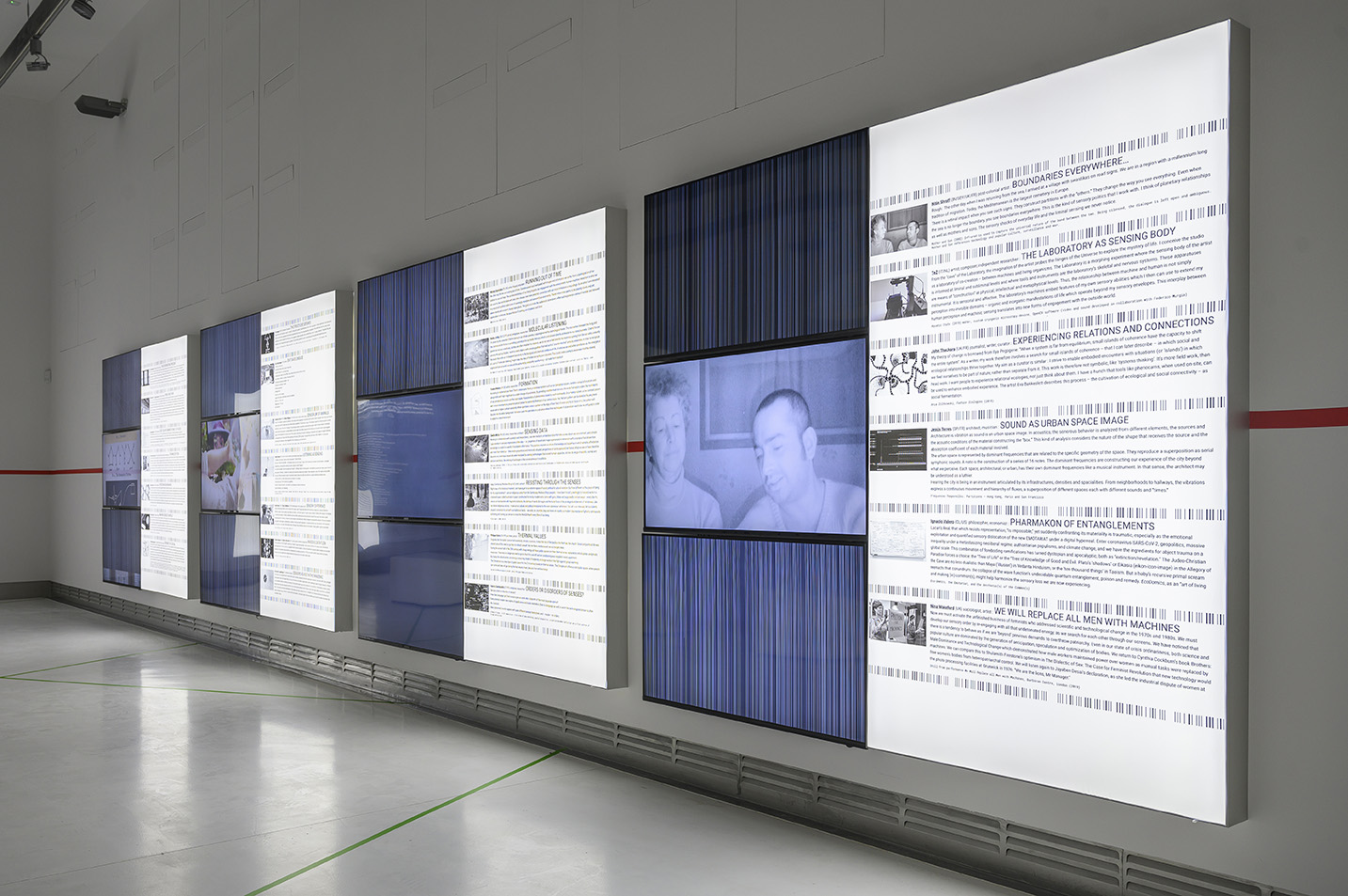
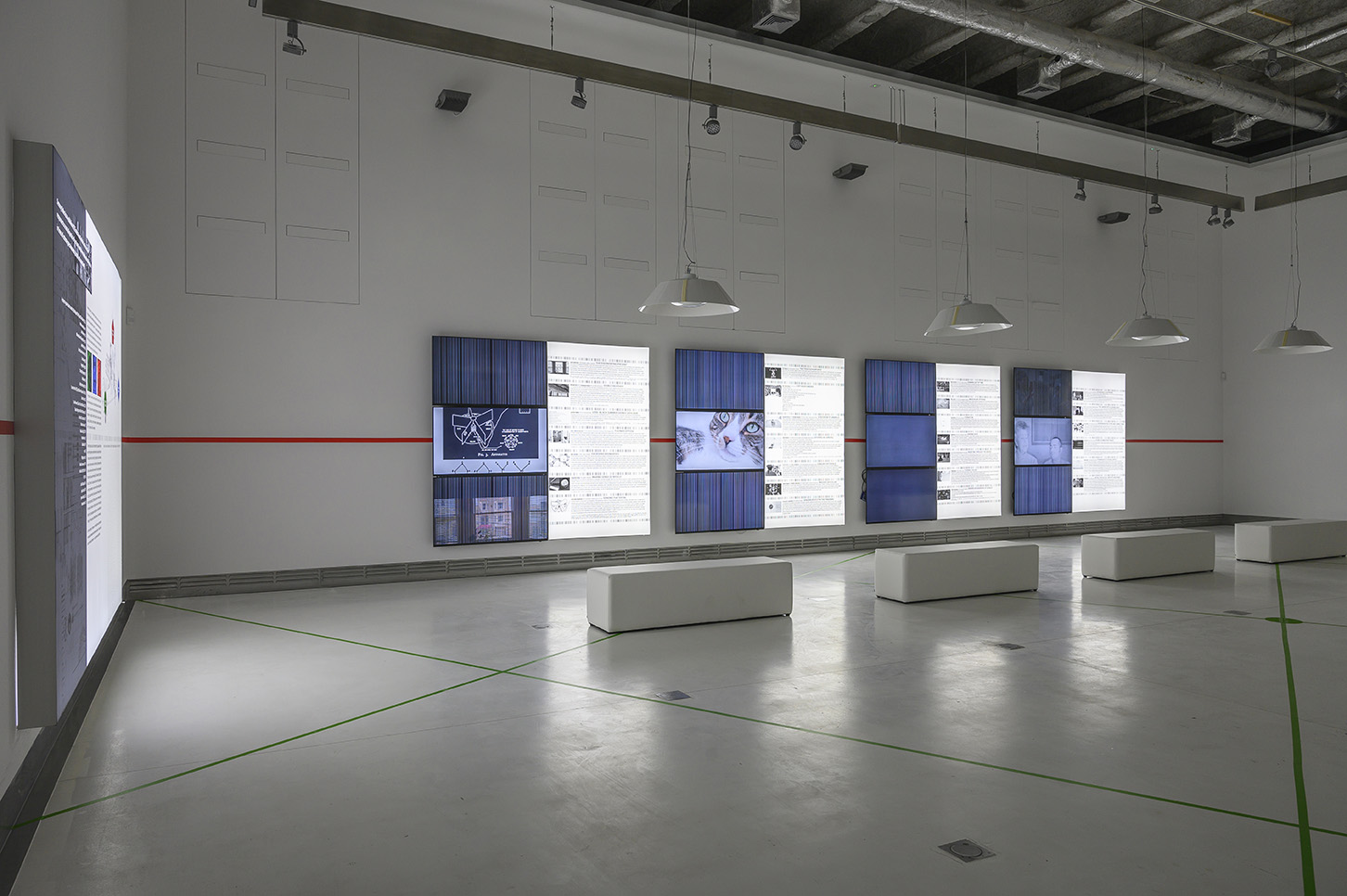
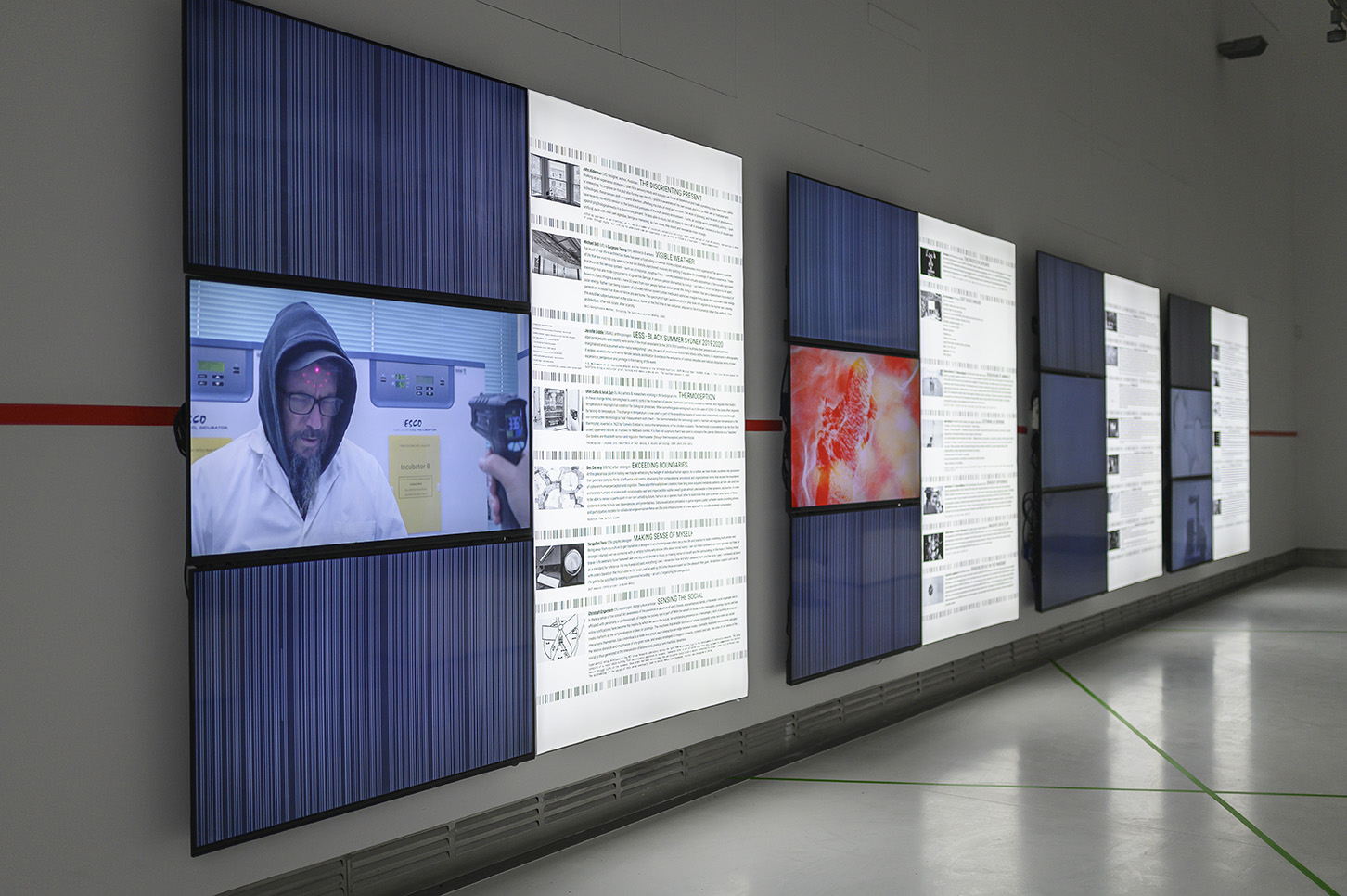
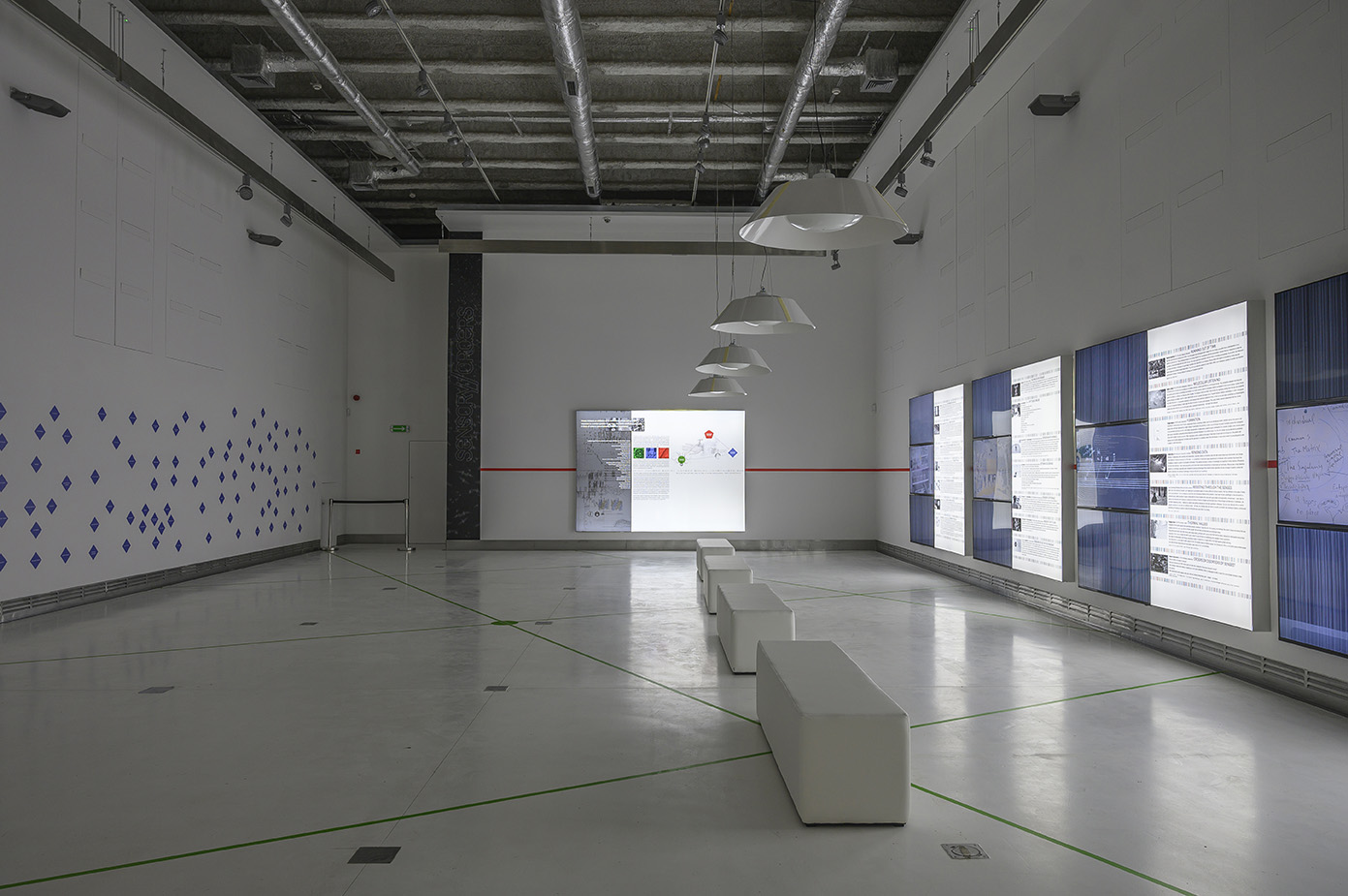
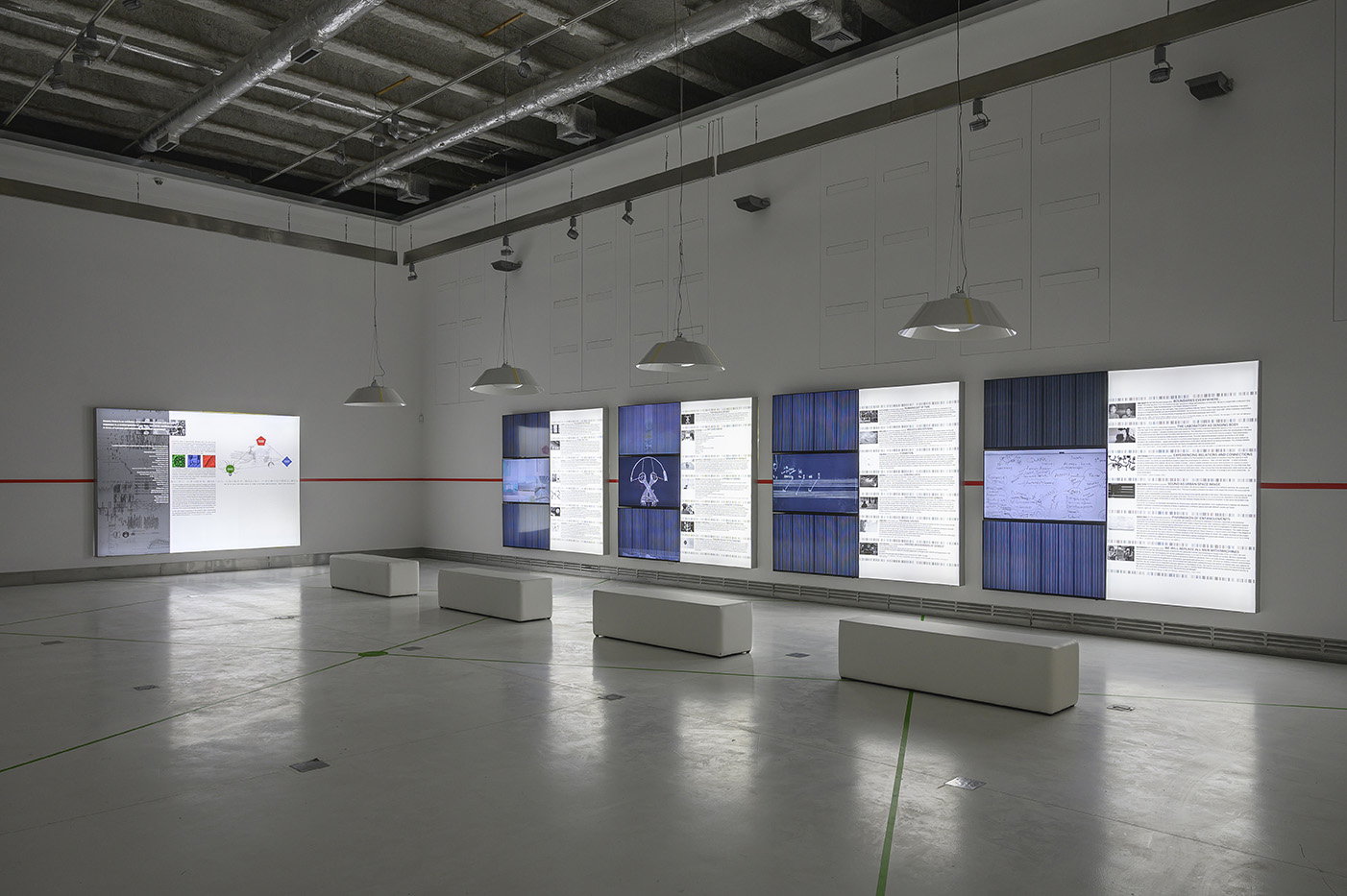
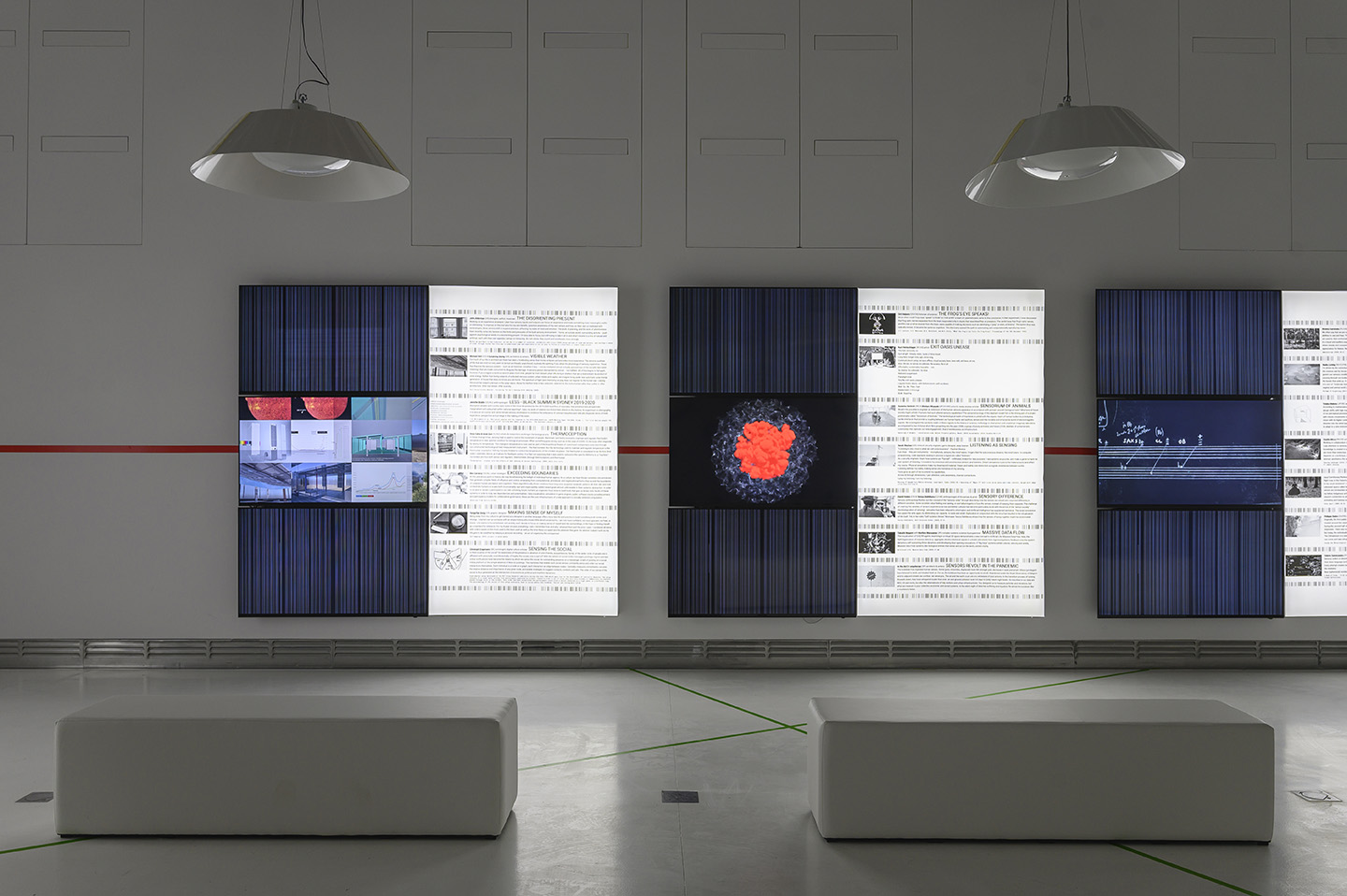
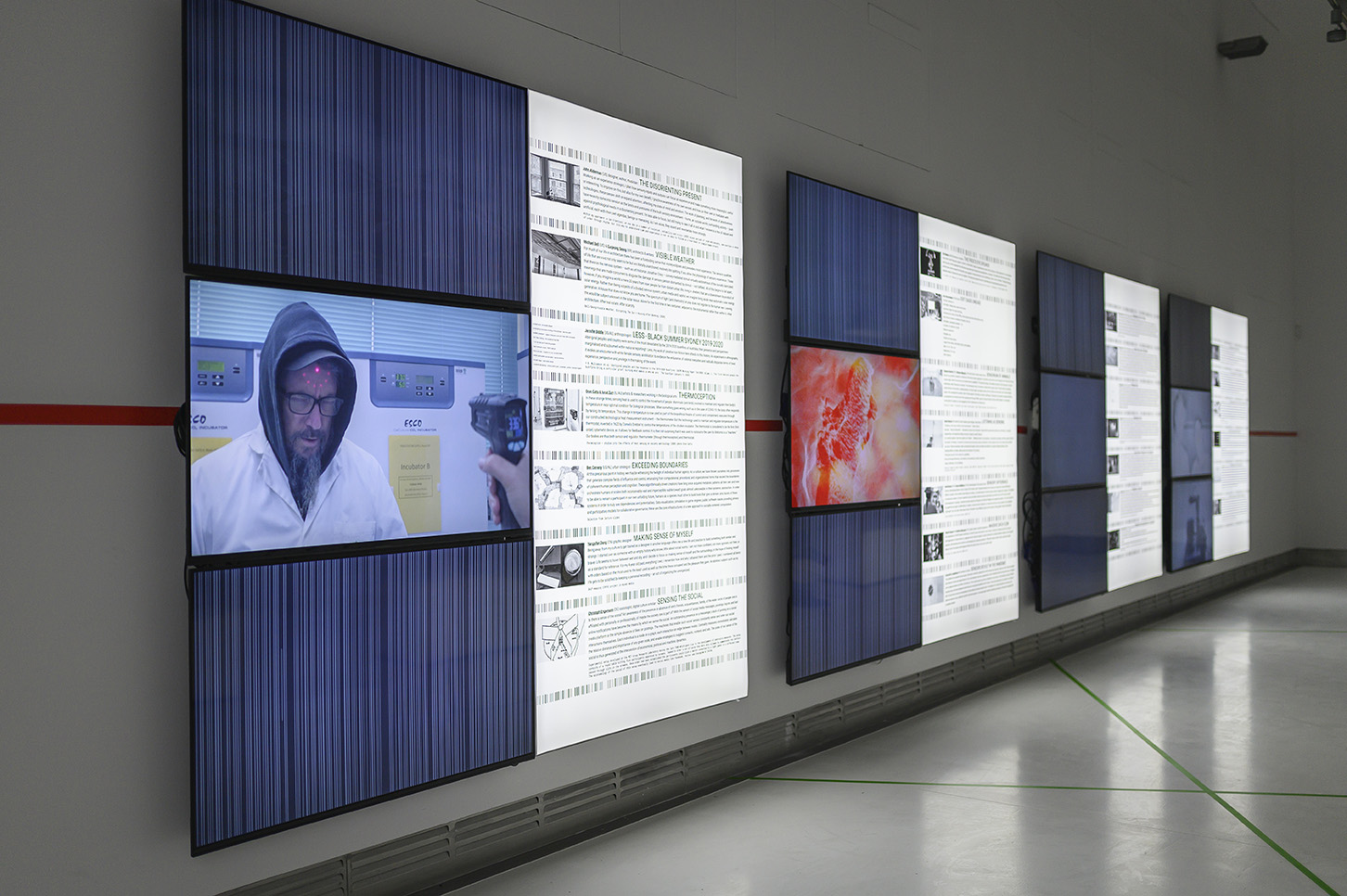
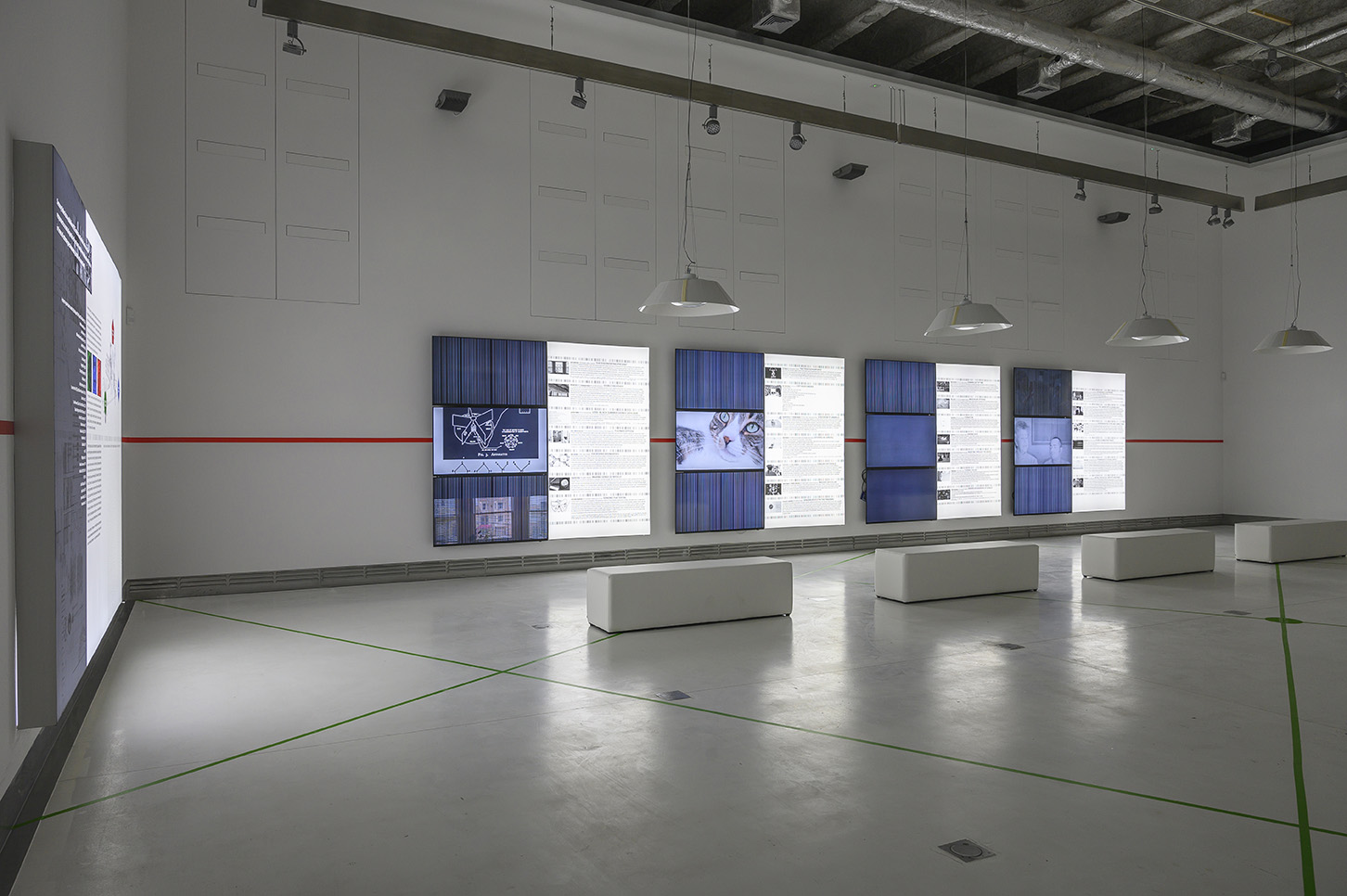
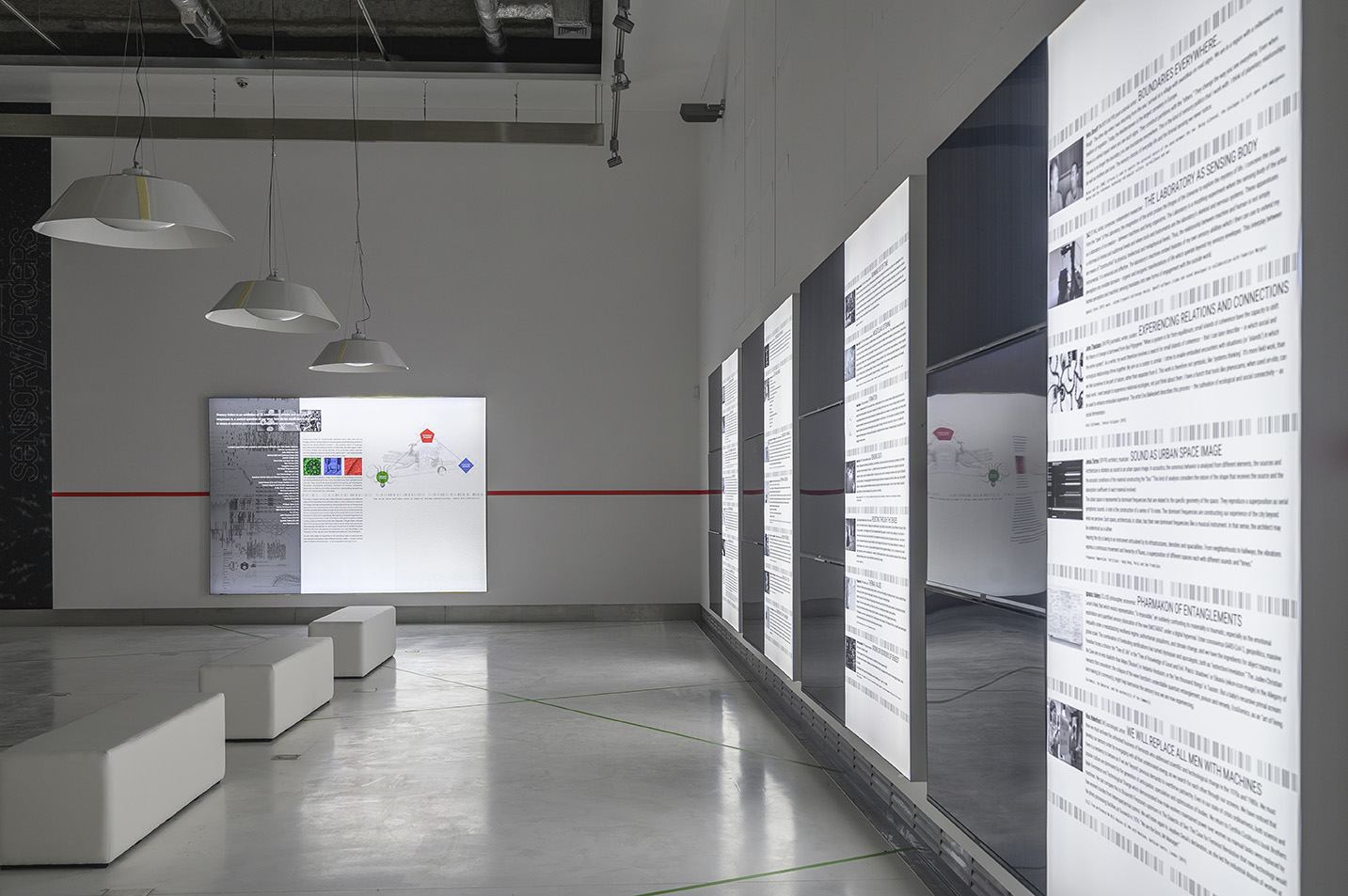
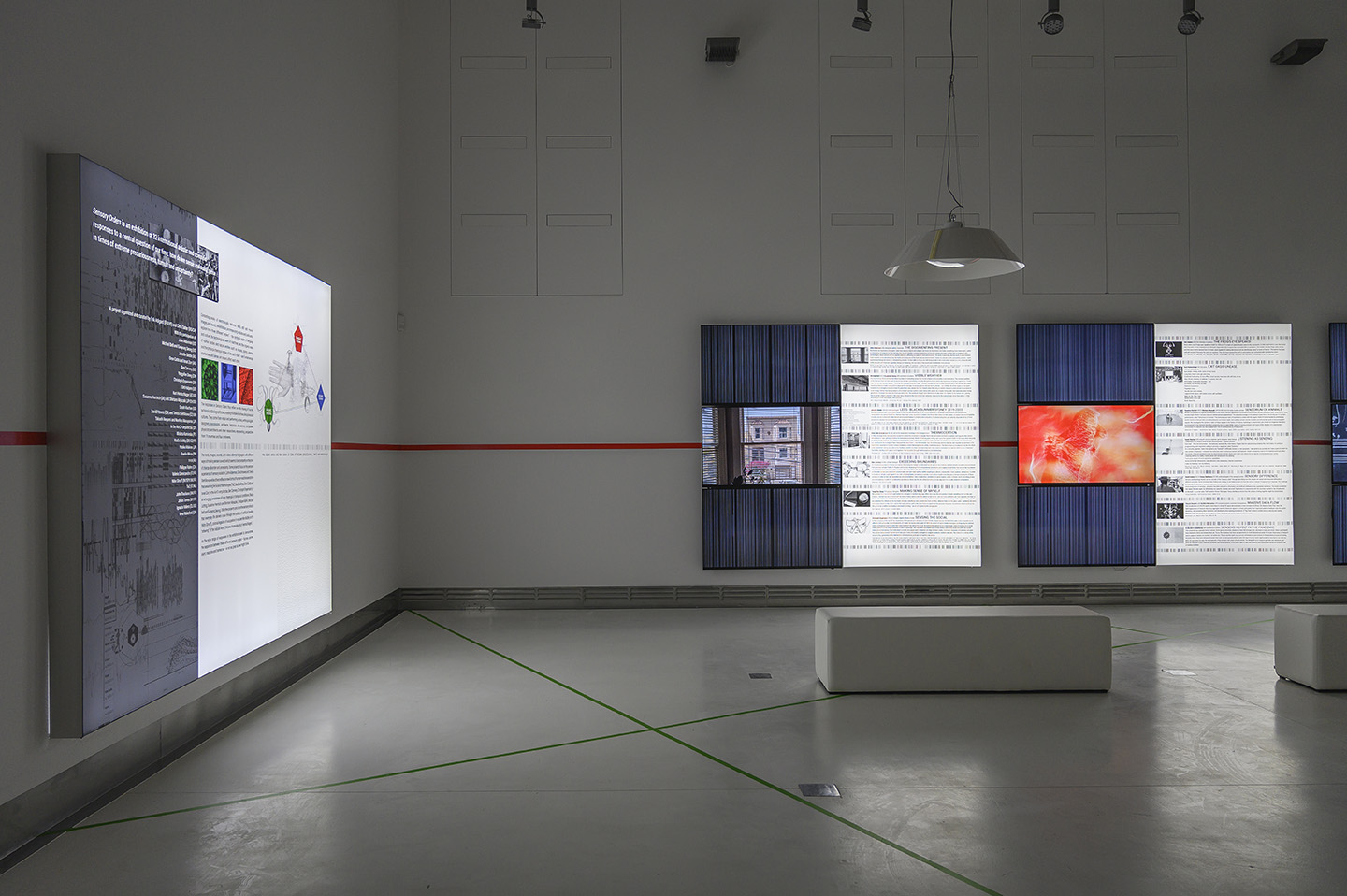
Light Boxes, high resolution prints, 21' high resolution displays, parabolic "sound shower" speakers, benches
Collaborators
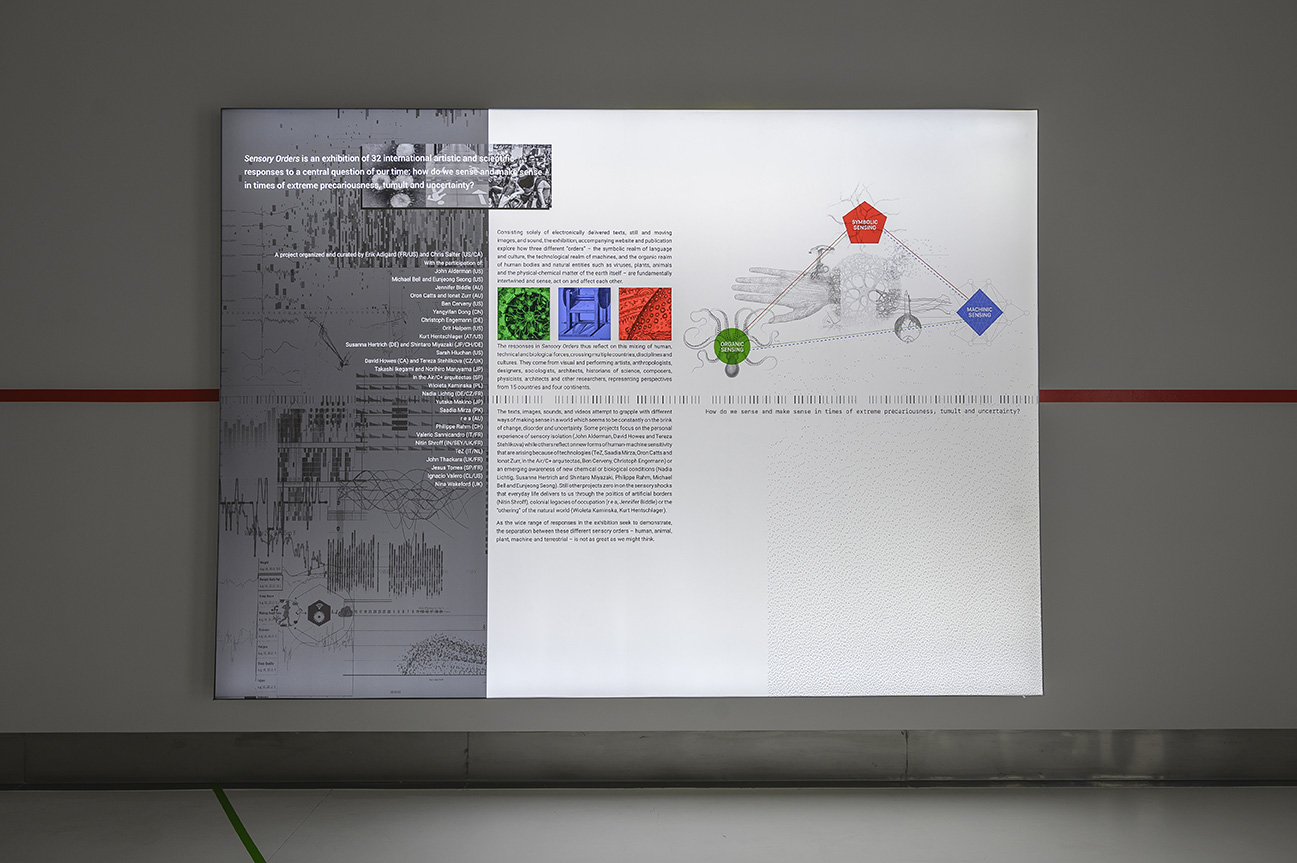
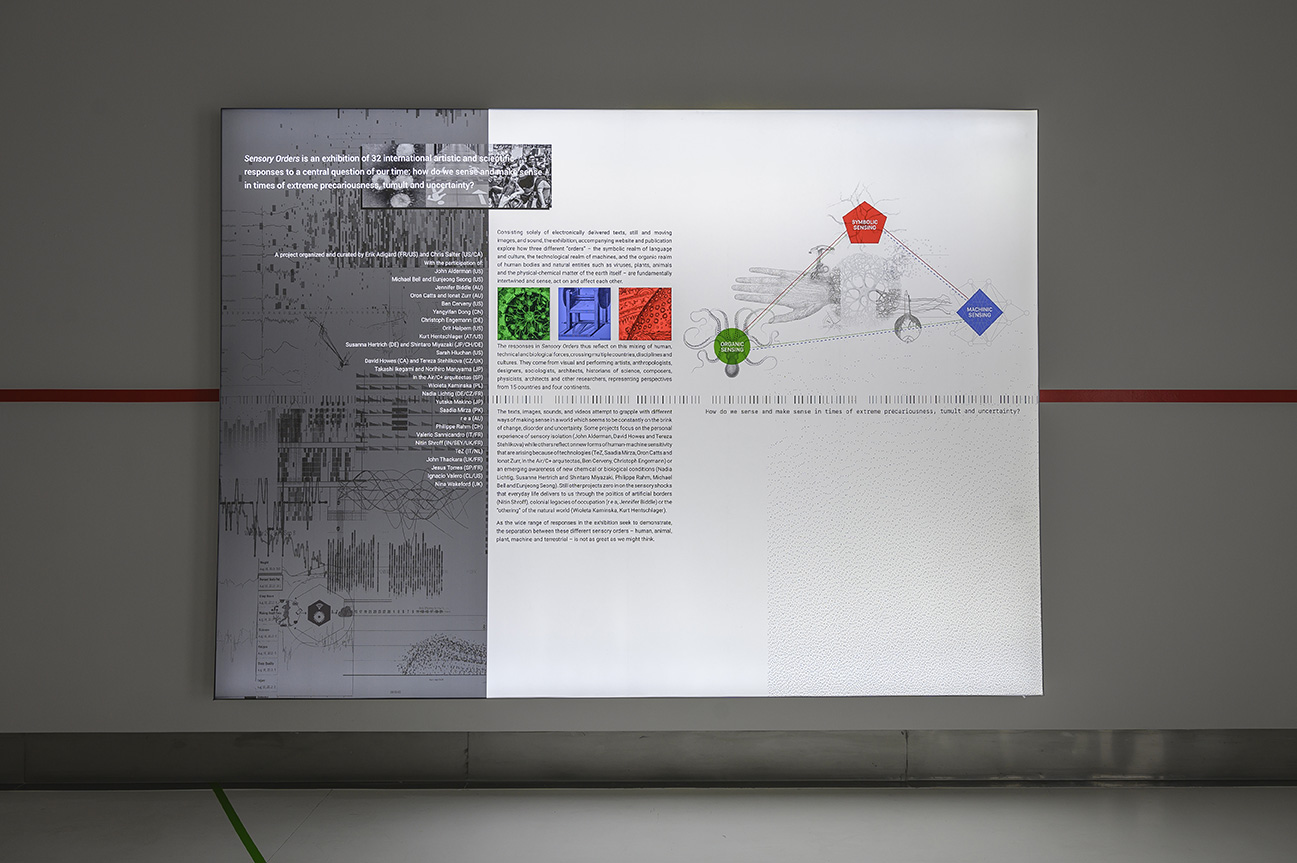
Curators: Erik Adigard and Chris Salter
Exhibition Design: Erik Adigard/M-A-D
Coordination: Agata Janikowska and Joanna Adamiak
Participants: John Alderman (US), Michael Bell and Eunjeong Seong (US), Jennifer Biddle (AU), Oron Catts and Ionat Zurr (AU), Ben Cerveny (US), Yangyifan Dong (CN), Christoph Engemann (DE), Orit Halpern (US), Kurt Hentschlager (AT/US), Susanna Hertrich (DE) and Shintaro Miyazaki (JP/CH/DE), Sarah Hluchan (US), David Howes (CA) and Tereza Stehlikova (CZ/UK), Takashi Ikegami and Norihiro Marujama (JP), In The Air/C+ (SP), Wioleta Kaminska (PL), Nadia Lichtig (DE/CZ/FR), Yutaka Makino (JP), Saadia Mirza (PK), R E A (AU), Philippe Rahm (CH), Valerio Sannicandro (IT/FR), Nitin Shroff (IN/SEY/UK/FR), Tez (IT/NL), John Thackara (UK/FR), Jesus Torres (SP/FR), Ignacio Valero (CL/US), Nina Wakeford (UK)
Exhibition Design: Erik Adigard/M-A-D
Coordination: Agata Janikowska and Joanna Adamiak
Participants: John Alderman (US), Michael Bell and Eunjeong Seong (US), Jennifer Biddle (AU), Oron Catts and Ionat Zurr (AU), Ben Cerveny (US), Yangyifan Dong (CN), Christoph Engemann (DE), Orit Halpern (US), Kurt Hentschlager (AT/US), Susanna Hertrich (DE) and Shintaro Miyazaki (JP/CH/DE), Sarah Hluchan (US), David Howes (CA) and Tereza Stehlikova (CZ/UK), Takashi Ikegami and Norihiro Marujama (JP), In The Air/C+ (SP), Wioleta Kaminska (PL), Nadia Lichtig (DE/CZ/FR), Yutaka Makino (JP), Saadia Mirza (PK), R E A (AU), Philippe Rahm (CH), Valerio Sannicandro (IT/FR), Nitin Shroff (IN/SEY/UK/FR), Tez (IT/NL), John Thackara (UK/FR), Jesus Torres (SP/FR), Ignacio Valero (CL/US), Nina Wakeford (UK)